In our fast-paced digital world, the art of deep reading often gets lost. However, building a sustainable reading habit is not just about finishing more books; it's about creating a lifestyle that values knowledge, empathy, and environmental consciousness.
1. Start with Just 15 Minutes
The biggest mistake most aspiring readers make is setting unrealistic goals. When you commit to "reading an hour a day," you're setting yourself up for failure on busy days. Instead, aim for 15 minutes of focused reading. This small window is easy to find—during your morning commute, on a lunch break, or right before bed. Once the habit is locked in, you'll naturally find yourself reading for much longer.
"A book is a gift you can open again and again. It is one of the few things in life that actually grows more valuable the more people share it."
2. Leverage the Circular Economy
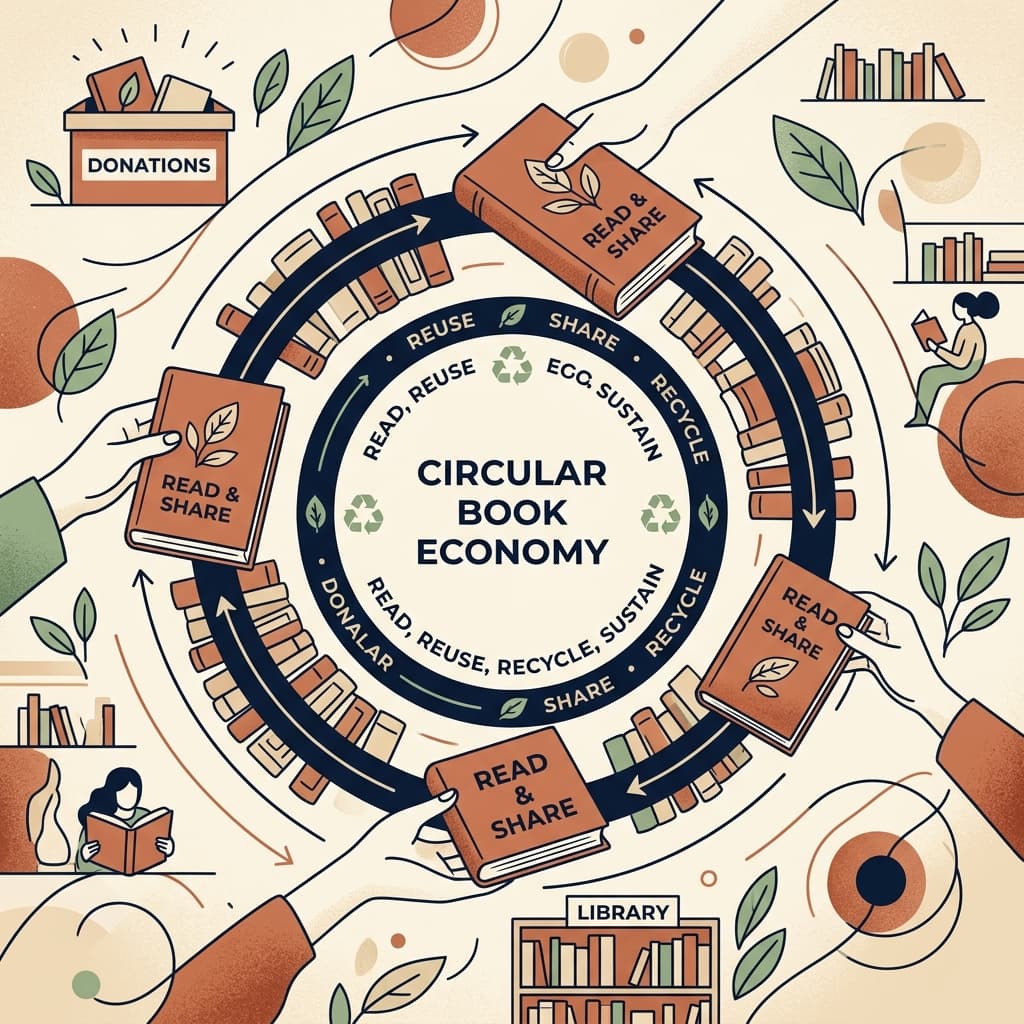
Sustainability in reading goes beyond the content; it’s about the lifecycle of the book itself. Every new book produced requires significant energy, water, and wood pulp. By opting for second-hand stores or platforms like Padhio, you ensure that books stay in circulation, reducing the demand for new production and minimizing the carbon footprint of your library.
Ready to pass it on?
Join the Padhio community and donate your finished books to give them a second life.
3. Digital vs. Physical: Find Your Balance
While e-readers are excellent for portability and can be more sustainable over hundreds of books, physical books offer a tactile experience that aids retention and focus. Research suggests that reading physical text leads to better spatial memory of the information. Our recommendation? Use e-readers for travel and quick reads, but invest in physical copies for deep study or classics you intend to share.
4. Join a Community
Reading doesn't have to be a solitary activity. Joining a book club or an online community can provide the accountability needed to stick to your habit. When you know you'll be discussing a chapter on Sunday, you're much more likely to read it on Wednesday. Plus, discussing what you've read deepens your understanding and makes the process infinitely more rewarding.
5. Curate Your Reading List
Don't feel obligated to finish every book you start. If a book isn't resonating after 50 pages, it's okay to set it aside. This is the "Rule of 50"—life is too short to read books you don't enjoy. Your reading time is valuable; curate a list that genuinely excites you, and you'll find that "finding time to read" is no longer a problem.